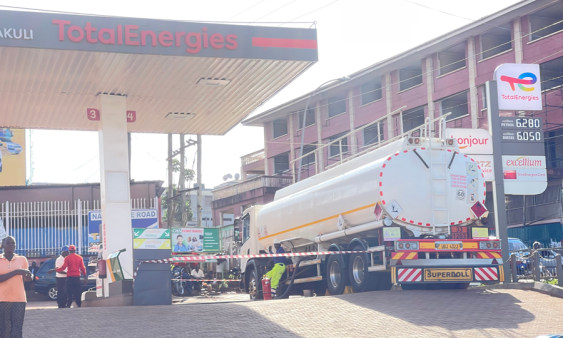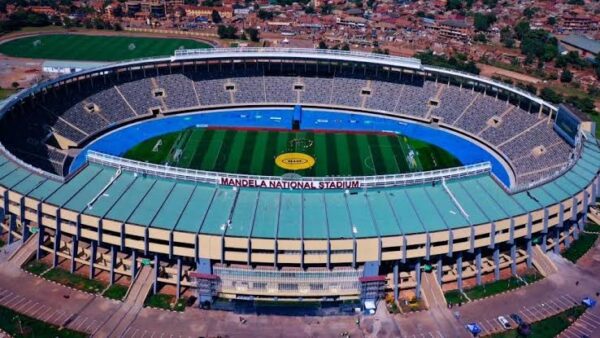
Kampala City has in the last half-decade, undergone a major transformation, with visible improvement in security, street lighting, markets, public health, and several others; including physical planning and revenue collection.
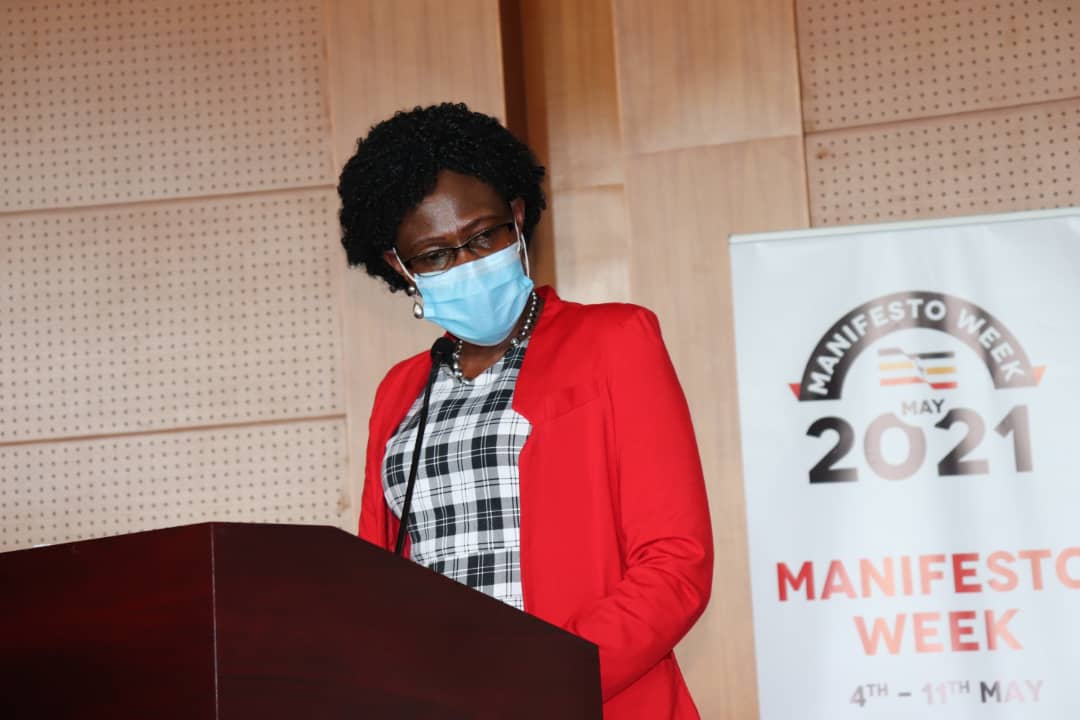
During the ongoing manifesto week, The State Minister for Kampala Capital City and Metropolitan Affairs, Benna Namugwanya, on Thursday, presented the achievements KCCA has so far registered between 2016 and 2021 at the Office of the Prime Minister in Kampala.
The Manifesto week aims at accounting to Ugandans in respect to pledges and presidential commitments that the ruling NRM government made for the last 5-year elective term of office.
In 2016, the ruling NRM Party Manifesto and the 23 Presidential Strategic Directives stated aspiration to transform the Ugandan society from a low-income society to a competitive middle-income country. Kampala Capital City Authority (KCCA) being the implementing agency of this ministry achieved the following over the last half-decade:
The line Ministry developed and launched the Greater Kampala Local Economic Strategy which aims at job creation, easing connectivity and mobility within the Kampala Metropolitan area. KCCA research shows that 70% of the people working in Kampala city don’t reside in it. The majority of people working in the city reside in surrounding districts of Mukono and Wakiso. This is contributing to traffic congestion in the city as these workers commute daily to and from the city.
“So through integrated planning, bigger markets in metro areas like Wakiso, schools in the metropolitan areas, the Road to Kabusu Bunamwaya will ease congestion. When such services are provided in the metro areas, people will not need to come to Kampala to get the same services which can be obtained in the metro areas,” says Namugwanya.
This strategy aims to have KCCA plan together with the local governments to ensure easy connectivity and mobility in the city. Issues like Drainage Master Plan and job creation for greater Kampala Metropolitan area where work spaces like markets, and artisan parks are being established. It is hoped that when these service centres are located in different local governments like Mukono, Wakiso and Mpigi, people will reduce commuting to Kampala for the same services available in their localities. The other pillar of this strategy is the upgrading of housing especially for slum dwellers.
KCCA is also planning to have city buses for mass transportation so that smaller vehicles can be left in homes instead of congesting the city. But this is being delayed by limited funding.
In terms of infrastructural development, KCCA notes that of the 2,110 km of road network, only 467km were paved in 2016. Today, 616km of these roads are tarmacked meaning that over the last five years, KCCA added only 149km of paved roads in the city. Some 728km of the city are gravel and maintained while 766km of gravel are in a very poor state. This means that only 31% of the roads in Kampala are paved.

On an Annual basis, KCCA receives UGX 25 billion from the central government for road maintenance within Kampala, according to the KCCA’s Executive Director, Dorothy Kisaka.
“We have pitched for more money for more funding. Our annual requirement for road construction in KCCA is over UGx 150 billion. But the authority works with what is available to it,” says Kisaka.
KCCA’s other achievements are as follows:
Physical Planning
The Authority has managed to reduce building plan approval from 60 days to 14 days
City Security
Minister Namugwanya stated that a number of CCTV cameras were installed and notorious street gangs like the Kifeesi were eliminated.
 Uganda: Shs1.2 trillion approved to facilitate merged agencies
To bring order into the city, boda boda riders are being registered, “The stages are being gazetted and boda boda free zones in the central business district. If it was not for the COVID-19 lockdown it would have been done but we are moving steadily,” said Minister Namugwanya.
Revenue collection increased by 6% from 2016 to 2020. This is due to use of innovation like automatic revenue collection like e-citie to reduce human interface and corruption.
Cleaner city
The Anti-Literring policy is in place and this will go with misuse of pedestal lanes and several city dwellers are being educated on this.
Street lighting has improved with the installation of 4,988 solar lights which is clean energy and good for the environment.
Wealth creation initiatives
KCCA established an employment bureau that links job seekers to potential employers. There is also the Kyanja Farm resource centre where people especially youth are trained on methods of urban farming. The Kabalagala youth centre is equipping youth with vocational and life skills. Under the Presidential Initiative on Wealth Creation, Emyooga, over UGX4.6 billion has been disbursed to 300 out of the 419 Savings and Credit Cooperative Societies (SACCOs) within Kampala.
According to minister Namugwanya, the challenges that remain include: inadequate funding, old and dilapidated buildings especially in public schools, vandalism, enforcing security, misuse of infrastructure like driving on pavements, an inadequate transport system.
Health
Immunization and delivery of mothers and renovation of city health centers; KCCA was recognized as the most improved district in Tuberculosis management.
Markets
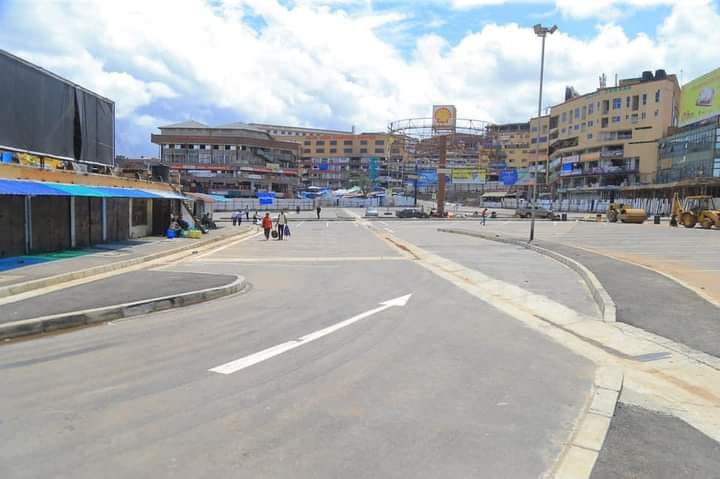
Kasubi market was reconstructed and can now accommodate up to 1,000 market vendors. This is creating jobs for the vendors. Plans are underway to redevelop Ntinda, Gaba and Bukoto markets, while the redevelopment of Nakawa market is appended on the Jinja Expressway. Kitintale market and Busega markets are both under construction and each of these will accommodate 2,000 vendors.
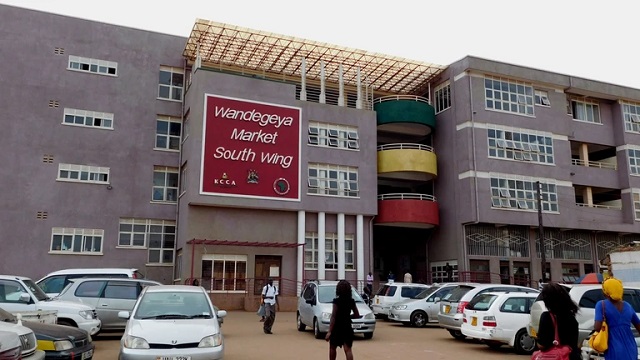
KCCA has issued 20,000 licenses for food handlers and enforcement of regulations of food handlers.
In education, KCCA has supported the teachers’ SACCO with over UGX2 billion