They say two wrongs don’t make a right, but for the Ruparelia Foundation, the charity arm of the Ruparelia Group, two of Kampala’s biggest environmental and sanitation problems—plastic waste and poor toilet access—might have created an opportunity to change lives.
Conservative estimates say that at least 600 tonnes of plastics are consumed daily in Uganda, and half of this is in Kampala, Uganda’s capital city. It is also believed that more than half of the used plastics in the city are disposed of irresponsibly. In a city where at least 51% of plastic garbage is uncollected, this plastic waste is left to be washed away to clog the already over-stretched drainage systems, resulting in floods and diseases whenever it rains.
Plastic waste aside, one other big challenge facing Kampala’s dwellers is the lack of access to adequate toilet facilities, especially for the public, in places like schools, markets and other public spaces. Particularly for schools, according to the National Standards for Water, Sanitation and Hygiene in Schools Report, published by UNICEF and the Government of Uganda, there should be one toilet for every 40 children. However, this standard is still elusive to date, with an estimated one toilet for every 71 children nationally. With low child-to-toilet ratios, other national standards such as separate toilets for all girls and boys and children with disabilities and all latrines having water, soap and garbage bins with lids, especially inside the girls’ latrines, become hard to attain. The problem is worse for poor neighbourhood schools such as the Good Samaritan Primary School in Kamwokya, where all the toilet facilities were dilapidated, and the pit latrines were full to the brim, making it difficult for the school to carry out normal operations.
Ruparelia Foundation saves the day.
The school’s dire situation caught the attention of the Ruparelia Foundation, which was in search of a legacy project in Kampala City. In December 2019, using part proceeds from the 2019 Royal Ascot Goat Races, the group commissioned the building of six toilets—two for boys, two for girls, and two for teachers.
SanyuFm, Speke Resort Munyonyo, NTV Uganda, Yo Kuku, Euroflex, Orient Bank, Brussels Airlines, Shell Gas, Farm Equipment & Construction Ltd, and Robbialac Paints sponsored the races.
But this was no ordinary toilet project. It is built using a unique brick— the eco-brick. A product of the Ghetto Research Labs, a community-based NGO in Kampala’s Kamwokya slums, the brick is made out of stuffing and compacting polythene bags, commonly known as kaveera, into used plastic bottles and sealing them off with a cap. A one-litre bottle can accommodate up to 750 kaveera, while a 500ml bottle takes in up to 200 bags. The eco-bricks are then used as substitutes for regular clay bricks and ordinary cement and sand mortar to erect wall structures.
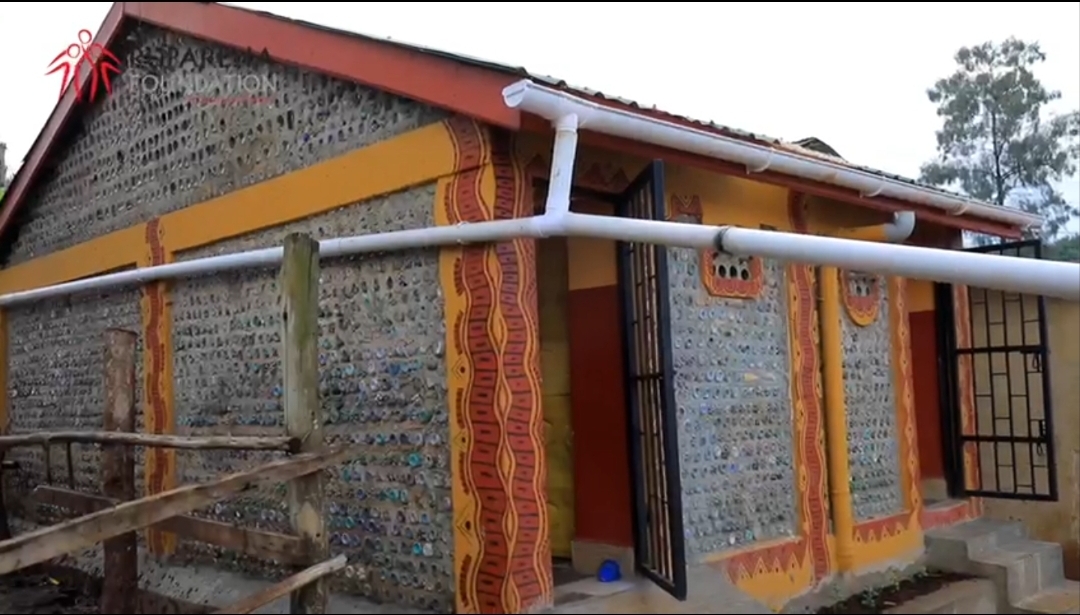
The project is a brainchild of Mujuzi Patrick, a trained teacher who uses unemployed street kids to collect the kaveera and plastic bottles from the ghettos for a small fee.
The first model block, completed using more than 3 tonnes of plastics, sand, and cement, will be handed over today by the foundation to the school’s management and community leaders.
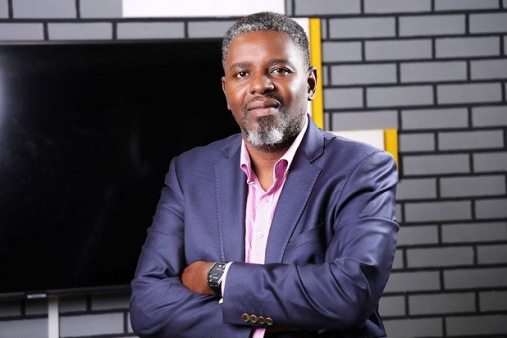
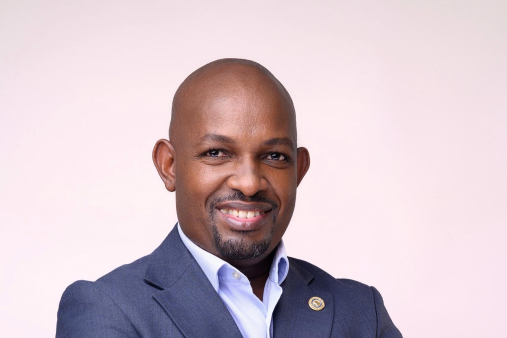
Following the completion of the pilot project, the Foundation plans to build 5 such green toilets annually in selected Kampala slums, Rajiv Ruparelia, the Group’s Managing Director, told CEO East Africa.
He said that, henceforth, the Group would collect all the empty plastic bottles used from their chain of hotels for the project.
“We have given them a target to build 5 toilets a year in different Kampala ghettos first and after that, we shall take it national,” said Rajiv.
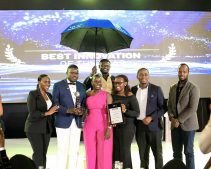 I&M Select Banking Sapphire Club wins “Best Innovation of the Year” at UMEAS 2025
Good Sanitation is every child’s right
In a pre-commissioning video released by the group, Sheena Ruparelia, one of the Foundation’s trustees, said there couldn’t have been a better time to commission the project.
“With what is going on around the world, there can’t be a better time to open this project,” she said.
The commissioning is just in time for the resumption of classes for candidate classes on 15th October.
Naiya Ruparelia, another Foundation Trustee said: “Ruparelia Foundation are excited to be the partners on the ground to ensure that the funds that are donated are all put into this project.”
Mujuzi, the brain behind the eco-brick, hailed the toilet project as a silver bullet for most of the slums’ health and sanitation problems.
“I think this project is going to be the only solution to the environment problems especially in the Ghetto- the only solution to diseases that arise out of poor hygiene,” he said in the pre-commissioning video statement.
Rajiv Ruparelia told CEO East Africa Magazine late last year that the impact project has far-reaching benefits for the community.
“This is a wonderful project which helps communities in many ways. It unblocks all the drainage channels clogged by the polythene bags, recycles the plastic bags, and keeps the ghettos clean. The stipend given to the ghetto youths to collect the plastic bags and bottles keeps them away from crime. The eco-brick itself is youth environment friendly. Good sanitation, other than keeping the ghettos clean and healthy, also helps keep more children in school and education is fundamental to every society,” he said.
The Ruparelia Foundation was founded in 2012 by Dr & Mrs Sudhir Ruparelia and runs its programmes under the theme: “Enriching Lives Together”. To date, more than 600 charitable causes have been funded by the charity.